Southern Electric Is The Carolina's Most Trusted Residential Electrical Service Provider. Call Us Today: (803) 250-1449

Hot Tub and Spa Wiring in Fort Mill, SC: What the Job Really Requires
Blog post description.
Southern Electric
7/20/20263 min read
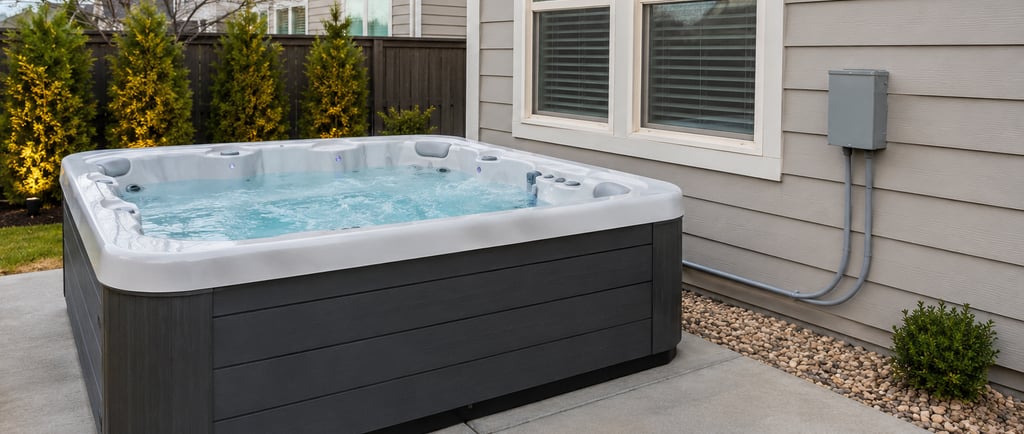
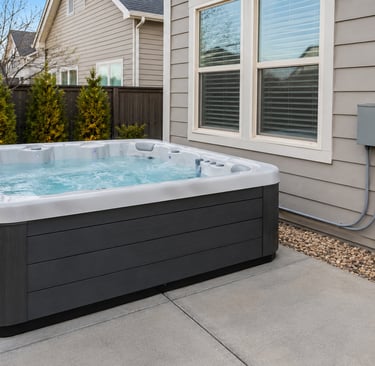
A hot tub is a great addition to any Fort Mill backyard, and the local weather makes it even better. You can use it all year because winters are mild, and after a long summer day, relaxing in the hot tub is well worth it.
But when it comes to installing the electrical parts, many homeowners run into trouble. It’s much more complex than wiring a clothes dryer. The National Electrical Code (NEC) has a whole section about it in Article 680. York County also requires a permit and inspection, and taking shortcuts near water can be very dangerous.
What a Hot Tub Electrical Installation Requires
Most portable hot tubs and in-ground spas need a dedicated 240-volt, 50-amp circuit. Some smaller plug-and-play models use standard 120 volts, but those are rare. If you bought a mid-range or luxury spa from a dealer, you probably need 240-volt service.
The Path of the Power:
The circuit originates at your main electrical panel.
It runs through protective conduit to an outdoor disconnect box.
The disconnect box feeds into the spa’s internal equipment pack.
According to electrical code, the outdoor disconnect box must be placed 5 to 10 feet from the spa and in clear view. This is a strict requirement, not just a recommendation. The box lets you quickly shut off power in an emergency without having to go inside to find the main breaker.
GFCI Protection and Why It Has to Be Right
Every hot tub circuit must have Ground Fault Circuit Interrupter (GFCI) protection. This is the most important part of electrical safety for any spa. Water and electricity together can be very dangerous.
A GFCI breaker can sense even tiny amounts of current leaking to the ground and will shut off the circuit right away before it becomes dangerous. For hot tubs, this is usually a heavy-duty, two-pole breaker installed in your panel or disconnect box.
From what we’ve seen, the most common problem with hot tubs that keep tripping is a GFCI breaker that’s too small or wired incorrectly. Sometimes, we even find jobs where the GFCI was skipped completely. This is very dangerous and will not pass a city inspection.
What Bonding Is and Why It Cannot Be Skipped
Beyond the circuit breaker and the GFCI, NEC Article 680 requires equipotential bonding. This means that all metallic parts within 5 feet of the inside wall of the spa must be physically tied together.
This bonding process links the following components using a solid copper wire:
The metal frame of the spa
Any adjacent metal handrails or ladders
The external equipment pack casing
The pump motor housings
This bonding wire does not carry electricity during normal use. Its only job is to make sure that if something goes wrong, all nearby metal parts stay at the same electrical level. This prevents any voltage differences between surfaces you might touch when wet.
Our licensed electricians say bonding is the step most often skipped in DIY or unqualified spa installations. It’s also the first thing local inspectors check.
What Your Panel Needs to Handle
Before a single foot of wire is run toward your backyard, an electrician must evaluate your main electrical panel. A 50-amp double-pole breaker takes up two physical slots and draws power from both legs of your 240-volt service.
If your panel is already full, which is common in newer homes around Fort Mill where builders use smaller panels, you might need an upgrade or a subpanel before adding the hot tub circuit. Checking this ahead of time keeps your project on track when your spa is delivered.
The Cable Run From Panel to Spa
Protective conduit is needed for any wiring that’s above ground or exposed. In most Fort Mill backyards, technicians dig a trench to safely bury conduit or direct-burial wire across the yard to the spa.
How deep the wire is buried is very important. The NEC sets minimum burial depths based on the wiring method. The trench also needs to be filled in carefully so future landscaping or fence work does not damage the wires.
Permits and Inspections in York County
You need an official permit for hot tub electrical work in York County. The city inspection will check the circuit size, GFCI breaker, disconnect box location, and the copper bonding grid.
We often see jobs done without permits by spa dealers who include wiring in a cheap package. Many times, we have to redo this work because it would not pass a basic safety inspection.
If a spa dealer offers to handle your electrical hookup, ask them these specific questions:
Are you pulling an electrical permit with the county?
Is the person performing the actual wiring a licensed electrician in South Carolina?
If the answer to either question is no, it’s best to hire a licensed electrician yourself. Let the dealer deliver and set up the spa, but leave the electrical work to a professional.
Get Scheduled with Southern Electric
If you have a spa on order or waiting for electrical work, Southern Electric can help. We serve Fort Mill, Tega Cay, Rock Hill, Indian Land, and the Charlotte area. We’ll make sure your job meets code, is fully inspected, and is documented for your peace of mind.
Phone: (803) 250-1449
Call us today, and we’ll make sure your hot tub is installed safely and properly.
Contact Us
info@southernelectricllc.com
(803) 250-1449
Service Areas
Subscribe to our newsletter
Fort Mill, SC
Tega Cay, SC
Indian Land, SC
Charlotte, NC
Rock Hill, SC